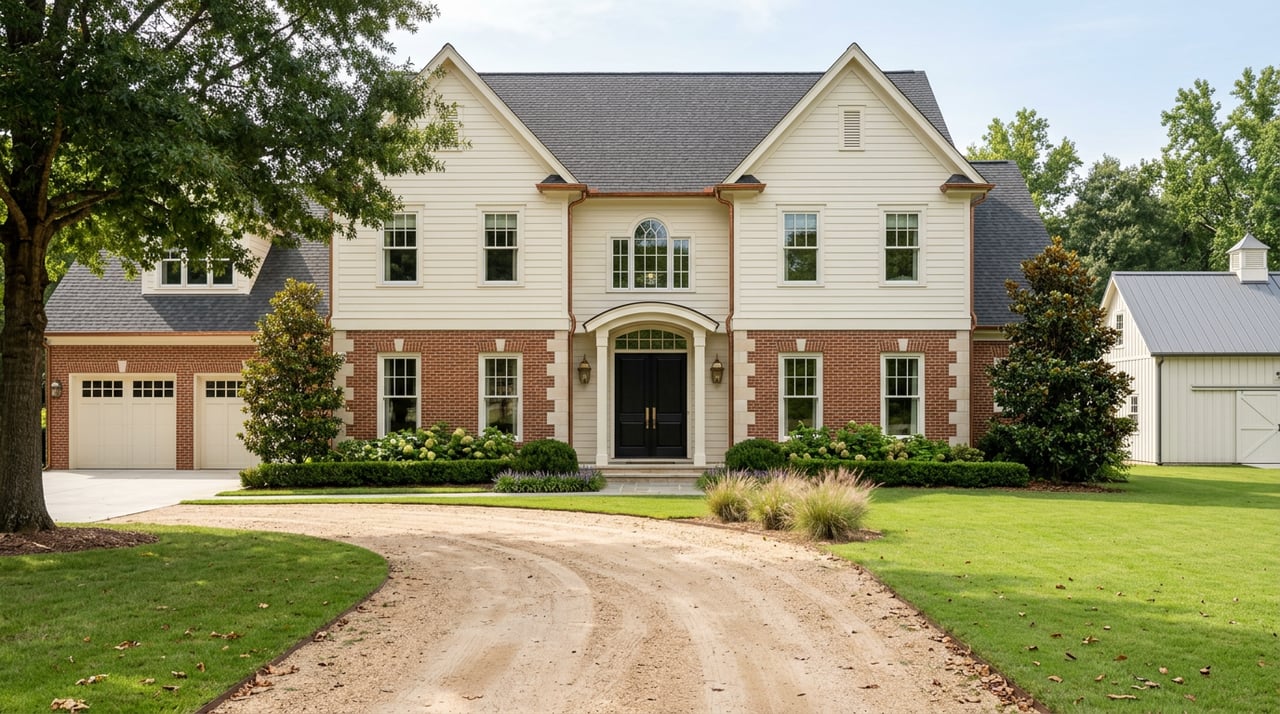
If you dream of morning rides at home and room to roam, Milton makes it possible. You get true country appeal with the convenience of North Fulton living, which is why so many buyers look here for equestrian and estate properties. In this guide, you’ll learn where to focus your search, how zoning and permits work, what drives price, and the must‑do due diligence that protects your investment. Let’s dive in.
Why Milton attracts horse and estate buyers
Milton actively supports its equestrian identity. The City maintains an Equestrian Committee, publishes a registry of local riding facilities, and shares resources for horse owners on its official site. You can explore the City’s overview on the Equestrian Community page to understand how Milton promotes horse‑friendly living.
Milton also adopted a consolidated Unified Development Code in April 2024. The UDC brings zoning and development standards together so you can find the rules that apply to barns, arenas, and agricultural uses in one place. When you need to verify what is allowed on a specific parcel, start with the Unified Development Code.
Where you’ll find horse‑friendly properties
Equestrian and estate parcels are dispersed across Milton rather than confined to one neighborhood. You’ll see opportunities in the Deerfield, Crabapple, and Birmingham subareas, plus along corridors like Arnold Mill, Hopewell, Thompson, Providence, and Freemanville roads. The City’s equestrian page links to maps and a riding‑facilities registry that help you get oriented.
Because these properties are spread out, every tract feels a little different. Some offer quiet privacy off a country lane. Others sit close to everyday amenities. Work with your agent to balance acreage, commute, and long‑term plans for barns or arenas.
Zoning basics and lot sizes
AG‑1 and large‑lot living
Milton’s zoning includes agricultural and single‑family districts, and many equestrian‑oriented parcels are in AG‑1. City materials often reference a 1‑acre minimum lot area for AG‑1, which is why you see many 1+ acre homesites. Purpose‑built estates and hobby farms commonly range from about 1 acre up to 3, 5, or more acres.
What to verify in the UDC
For exact numeric setbacks, accessory‑structure limits, height, and use permissions, always check the UDC. If you want written confirmation, you can request a Zoning Certification Letter from the City. The process and contacts are on Milton’s Community Development and Zoning page.
Barns, arenas, and permits
Permits and setbacks for accessory structures
New barns, run‑in sheds, and covered hay storage typically require building permits and must meet setbacks and yard requirements spelled out in the UDC. City agendas and text amendments show that structures housing animals are reviewed for conformance with AG‑1 yards and related standards. Plan for drawings and site review before you build.
Stormwater, erosion, and arena drainage
Engineered arena bases and drainage are considered best practice and often come up in site development review. Recent City hearings have highlighted stormwater and erosion control updates, which signals the level of care Milton expects for grading and runoff. If you plan significant grading, review the City’s meeting materials on site development and stormwater referenced in public agendas and be ready to submit drainage plans.
Events and commercial equestrian uses
Hosting clinics, lessons for multiple clients, or rural events can trigger a use‑permit process with conditions. The City has processed Rural Event Facility applications on AG‑1 parcels through its use‑permit framework. If events are part of your vision, review examples in City meeting records and schedule a pre‑application discussion with staff.
Animals per acre and agricultural exemptions
Milton’s UDC addresses livestock, including horses, within its use tables and definitions. The City also frames agricultural‑use exemptions in certain cases, which can influence how some rules apply. Numerical horse‑per‑acre caps and exemption criteria should be confirmed directly in the UDC or with City staff. Many small hobby farms operate with a modest number of horses on 1 to 3 acres, while larger boarding or instruction operations typically involve added requirements.
What drives price in Milton estate properties
Values vary widely by location, house size and finishes, and equestrian improvements. Here are common ranges you will see in the Milton area for equestrian and estate offerings:
- 1.0 to 2.0 acres: roughly $800,000 to $2,000,000 depending on home size, condition, and finish level.
- 2.0 to 5.0 acres: commonly $1,200,000 to $3,000,000. Barns, paddocks, pasture quality, and arena upgrades increase value.
- 5 to 20 acres: often from the low $2,000,000s to $4,000,000+, especially if there is subdivision potential or rare privacy.
- Luxury and trophy estates: improved 3 to 10+ acre properties with high‑end homes and top‑tier facilities can reach $3,000,000 to $10,000,000+.
Other factors that materially affect price include arena condition and drainage, fencing and cross‑fencing, road frontage and privacy, stream buffers or floodplain encumbrances, and whether the land can be subdivided. Because inventory is thin and values shift, rely on very recent sold comparables in the same micro‑area for accuracy.
A step‑by‑step due‑diligence checklist
Use this practical workflow to protect your purchase and plan your improvements.
1) Pre‑offer confirmations
- Verify zoning and permitted uses through Milton Community Development. You can request a Zoning Certification Letter via the City’s Zoning page.
- Pull tax and parcel records, recorded easements, and any HOA covenants through Fulton County property records to uncover restrictions that survive a sale.
2) Site and environmental checks
- Order a boundary or ALTA survey to confirm lot lines, easements, and your buildable envelope for barns or arenas.
- Review FEMA flood maps to identify Special Flood Hazard Areas and insurance needs using the Flood Map Service Center.
- Have a civil engineer or environmental consultant flag wetlands and stream buffers to avoid grading limits and costly mitigation.
- Commission soils and percolation testing. Pre‑screen with the USDA NRCS Web Soil Survey, then engage a certified soil professional.
- Confirm septic and well status. If not on sewer, coordinate inspections and permit history with the Fulton County Board of Health’s Well and Septic program.
3) Structures and systems
- Home and barn inspections by licensed pros. For barns, include framing, roof, electrical, ventilation, and drainage.
- Arena evaluation by a riding‑arena contractor to assess base, footing, and water management. Budget for engineered surfaces and ongoing maintenance.
- Confirm utilities capacity, water source, and any private road maintenance agreements that affect access.
4) Legal and insurance
- Title search for liens, easements, and covenants that could limit equestrian or agricultural uses.
- Discuss farm, ranch, and umbrella liability coverage with your insurer. If you plan lessons or clinics, review Georgia’s Equine Activity Liability law and its posting and contract‑notice rules in O.C.G.A. Title 4, Chapter 12.
5) Permits and follow‑through
- Apply for building permits and any required site or stormwater review through the City’s processes outlined in the UDC. Schedule a pre‑application meeting if you plan a barn, arena, or commercial activities.
- For new or expanded onsite septic or wells, follow Fulton County Environmental Health submittal requirements and inspections.
Everyday living considerations
- Trailer access: Ensure driveway width, turning radii, and clearance for a loaded horse trailer.
- Pasture management: Plan for paddock rotation, water access, and manure handling that aligns with drainage and buffer rules.
- Maintenance budget: Expect recurring costs for arena leveling and topping, fencing repairs, and septic pumping at recommended intervals. Build these into your annual plan.
How we help you buy with confidence
You deserve a guide who knows Milton’s acreage market and how to navigate its rules. Our team coordinates zoning confirmations, surveys, and the right inspections, then helps you value barns, arenas, and land improvements with current neighborhood comps. If you are relocating, we handle virtual previews and vendor introductions so you can move forward with clarity.
If an equestrian or estate home is on your horizon, let’s start a focused plan that matches your lifestyle and long‑term goals. Reach out to the Frye Team to talk through your priorities and next steps.
FAQs
What is Milton’s Unified Development Code and why does it matter for horse properties?
- The UDC is Milton’s consolidated rulebook for zoning and development, including barns, arenas, setbacks, and use permissions, so it is your primary reference for what you can build or operate on a parcel; start with the City’s UDC page.
How many horses per acre are allowed in Milton?
- Horse‑per‑acre limits and livestock definitions are set in the UDC; confirm the current rule and any agricultural‑use exemptions with Community Development or in the UDC text before you buy.
Do I need flood or environmental checks for a Milton estate purchase?
- Yes; review official FEMA maps for flood risk at the Flood Map Service Center and have a consultant flag wetlands or stream buffers that can affect arena or paddock placement.
Are lessons, clinics, or events allowed on AG‑1 land in Milton?
- Some commercial or event uses require a use permit with conditions; review examples in City meeting records and meet with staff before planning paid activities.
What inspections should I order for barns and arenas?
- In addition to a standard home inspection, hire an equine‑facility or barn contractor to check framing, electrical, drainage, and stall systems, and have an arena professional evaluate base, footing, and water management.
How do septic and wells affect a Milton acreage purchase?
- If the property is not on sewer, plan a full septic inspection, soils and percolation verification, and well evaluation per Fulton County Board of Health’s Well and Septic guidance before closing.