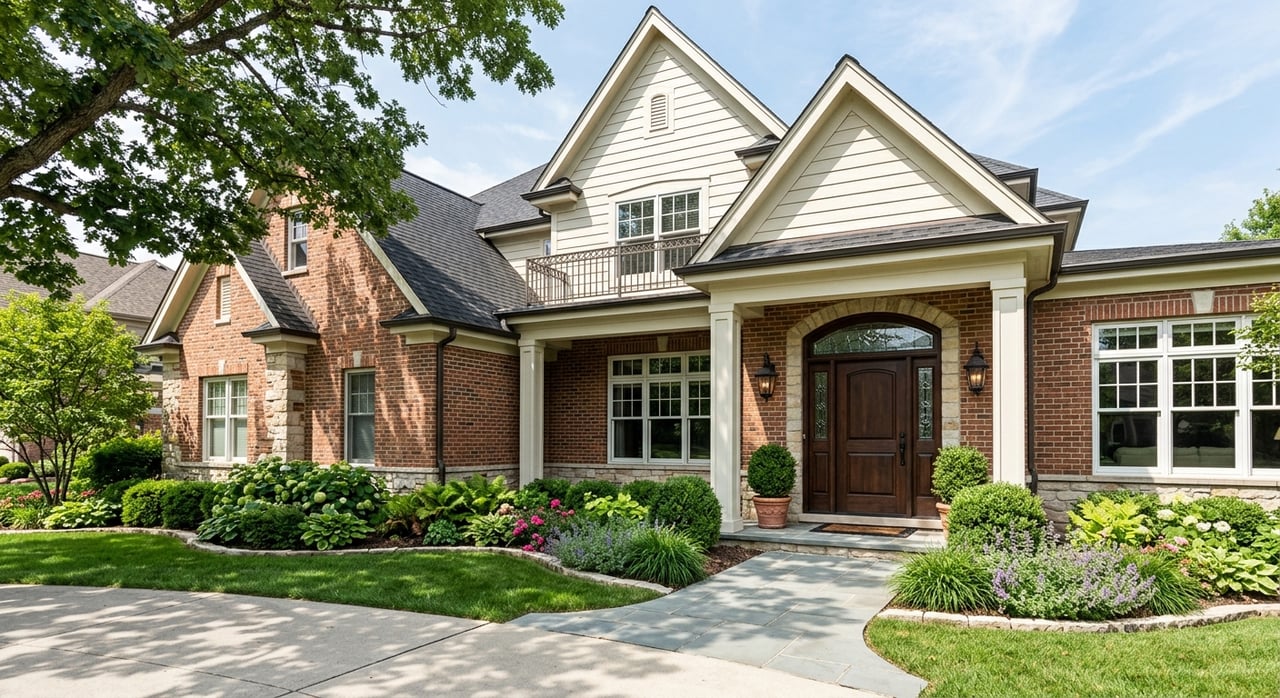
Thinking about relocating to Peachtree Corners? You are not alone. For many buyers, this Gwinnett County city stands out because it offers a practical mix of suburban housing, strong access to major roads, everyday amenities, and a growing innovation-driven identity. If you are trying to figure out whether Peachtree Corners fits your lifestyle, this guide will walk you through what to know before you move. Let’s dive in.
Why Peachtree Corners Draws Relocation Buyers
Peachtree Corners is Gwinnett County’s newest city, incorporated in 2012, and it has grown into a well-known north-metro option for buyers who want convenience and variety. The city has an estimated population of 42,638 across 16.11 square miles, according to the U.S. Census QuickFacts for Peachtree Corners.
Location is a big part of the appeal. Peachtree Corners sits near I-85, I-285, and GA 400, and the city says Atlanta is roughly 30 minutes away in typical conditions. Its western edge also follows about seven miles of the Chattahoochee River, which adds another layer to the city’s setting and outdoor access.
For buyers comparing north-metro suburbs, Peachtree Corners often feels like a city with several different living styles in one place. You can find mixed-use areas near Town Center, established subdivision corridors, and river-adjacent neighborhoods, giving you more than one way to experience the city.
What Daily Life Feels Like
Peachtree Corners offers a lifestyle that balances convenience and recreation. The city’s Town Center opened in 2019 and includes more than 15 restaurants, retail shops, office space, and townhomes built around a Town Green of more than two acres.
That Town Green is one of the most visible gathering spots in the city. It hosts concerts and seasonal events and includes an off-leash dog park, splash pad, playgrounds, and other public gathering spaces. If you want a suburb where you can run errands, meet friends, and spend time outdoors without driving all over town, that mixed-use setup is a major plus.
Beyond Town Center, Peachtree Corners also offers access to four county parks, three units of the Chattahoochee River National Recreation Area, and a trail system that the city says will ultimately span 12 miles around the community. For many relocation buyers, that combination supports a lifestyle that feels active and connected without being overly fast-paced.
Housing Options in Peachtree Corners
One of the most helpful things to know before you move is that Peachtree Corners is not a one-size-fits-all market. The city describes its housing mix as including riverfront homes, swim-tennis communities, townhomes, apartments, and senior living choices in its Welcome to Peachtree Corners overview.
That range gives buyers flexibility depending on stage of life, budget, and preferred maintenance level. Some buyers want an established single-family home in a neighborhood with community amenities. Others may prefer a townhome closer to restaurants and events, or a property near the river with a more tucked-away feel.
Official city records and history materials reference neighborhoods including Spalding Corners, Neely Farm, Royal Peachtree Corners, Jones Mill, Bay Colony, Evergreen Corners, Avala, Greenleaf, Sunburst Lake, Dunwoody Manor, Lancaster Manor, and Brookfield Chase. The city history page notes that Spalding Corners was the first neighborhood developed in Peachtree Corners.
When you start exploring, it helps to group the city into a few broad lifestyle patterns:
- Town Center and Forum area for mixed-use convenience
- Established subdivision corridors for more traditional neighborhood living
- River-adjacent areas for buyers who want proximity to the Chattahoochee and a different setting
What Homes Cost
Budget matters, especially if you are comparing Peachtree Corners to nearby north Atlanta suburbs. According to the U.S. Census QuickFacts, the city has a median home value of $484,700, a median gross rent of $1,701, and median monthly owner costs with a mortgage of $2,414.
Those numbers suggest housing costs are above average for many buyers and renters. They also show a meaningful gap between renting and owning. Based on those Census figures, median monthly owner costs with a mortgage are about $713 higher than median gross rent, which can be useful as a starting point when planning your move.
That said, these are broad benchmarks, not a quote for your future payment. Your actual monthly cost will depend on the home price, loan terms, taxes, insurance, HOA dues, and other property-specific factors.
Schools and Address-Based Boundaries
If schools are part of your relocation search, Peachtree Corners requires careful address-level checking. The city is served by both the Norcross and Duluth clusters, so school assignment should be confirmed by address through GCPS, as noted on the city’s Education & Schools page.
Public school options associated with Peachtree Corners include Paul Duke STEM High, Norcross High, Duluth High, Pinckneyville Middle, Duluth Middle, Simpson Elementary, Peachtree Elementary, Berkeley Lake Elementary, and Stripling Elementary. The city notes that Paul Duke STEM opened in 2018 in Technology Park as GCPS’ first STEM-themed high school, while Norcross High offers IB and Pinckneyville Middle is an IB World School.
The city also highlights private and charter options such as Wesleyan School, Cornerstone Christian Academy, and International Charter Academy. Because boundaries and assignments can vary within the city, it is best to treat every home search as address-specific rather than assuming one school pattern applies everywhere.
Commute and Job Access
For many relocation buyers, Peachtree Corners works because it is both a residential community and an employment center. The city has a mean one-way commute of 25.9 minutes, though your actual drive time will depend on your destination and traffic patterns.
Peachtree Corners is closely tied to Technology Park Atlanta and Curiosity Lab, both of which help shape the city’s identity. The city describes Curiosity Lab at Peachtree Corners as a living laboratory for real-world technology deployment, while Technology Park has long been positioned as a hub for technology jobs.
The city’s economic development materials list major employers including Siemens, Intuitive, Soliant, Mölnlycke, Amazon, and Crawford & Co. That employer base reinforces Peachtree Corners as more than a bedroom community. If you want to live near work, reduce cross-metro driving, or stay close to a tech-oriented business environment, that can be a meaningful advantage.
What to Verify Before You Shortlist Homes
Relocating is easier when you narrow your choices with the right checks early. In Peachtree Corners, a few details can make a big difference in how a home fits your daily life and budget.
Here are some of the most important items to verify before you move forward:
- School assignment by address
- HOA dues and community rules
- Commute direction and timing
- Street ownership and maintenance responsibility
- Home style and maintenance expectations
One often-overlooked issue is road ownership. The city notes that road maintenance may belong to the city, Gwinnett County, GDOT, or a private HOA, which is why it is smart to confirm responsibility as part of your due diligence through the city’s stormwater and infrastructure guidance.
Virtual tours can also be especially useful if you are moving from out of state or from another part of metro Atlanta. Because Peachtree Corners includes distinct mixed-use pockets, established subdivisions, and river-corridor areas, seeing homes and surroundings remotely can help you narrow your shortlist before an in-person visit.
Is Peachtree Corners Right for You?
Peachtree Corners can be a strong fit if you want a suburb with housing variety, established neighborhoods, mixed-use convenience, and good access to both jobs and outdoor amenities. It also appeals to buyers who want options, whether that means a traditional subdivision, a townhome near Town Center, or a home closer to the river.
The key is matching the right part of the city to your priorities. Your best fit may depend on commute patterns, desired home style, monthly budget, and which amenities matter most in everyday life. Taking the time to compare those factors can make your move feel far more confident and far less overwhelming.
If you are considering a move to Peachtree Corners, the Frye Team can help you narrow neighborhoods, compare home options, and build a relocation plan that fits your timeline and goals.
FAQs
What is Peachtree Corners known for?
- Peachtree Corners is known for its mix of suburban neighborhoods, Town Center amenities, Chattahoochee River access, and its role as a tech and innovation hub through Technology Park Atlanta and Curiosity Lab.
What types of homes are available in Peachtree Corners?
- The city says Peachtree Corners offers riverfront homes, swim-tennis communities, townhomes, apartments, and senior living choices.
What should buyers verify before moving to Peachtree Corners?
- Buyers should confirm school assignment by address, HOA dues, commute direction, and whether roads are maintained by the city, county, state, or an HOA.
Are schools in Peachtree Corners all in one cluster?
- No. Peachtree Corners is served by both the Norcross and Duluth clusters, so school assignments should be checked by address through GCPS.
Is Peachtree Corners convenient for commuting?
- Peachtree Corners offers access to I-85, I-285, and GA 400, and the Census reports a mean one-way commute of 25.9 minutes, though actual travel times vary by route and traffic.